

How to Make Sure Your Money Lasts as Prices Keep Rising
Scenario: The Hidden Threat to Your Retirement
Imagine retiring comfortably, only to find that your savings don’t stretch as far as you expected. Prices for essentials like groceries, healthcare, and housing continue to rise, eroding your purchasing power. What once seemed like a secure nest egg may no longer support your lifestyle. Without a plan to combat inflation, your retirement dreams could turn into financial stress.
Inflation can silently drain your savings, making it crucial to adjust your retirement plan now. Here’s how to protect your income and ensure your money lasts.
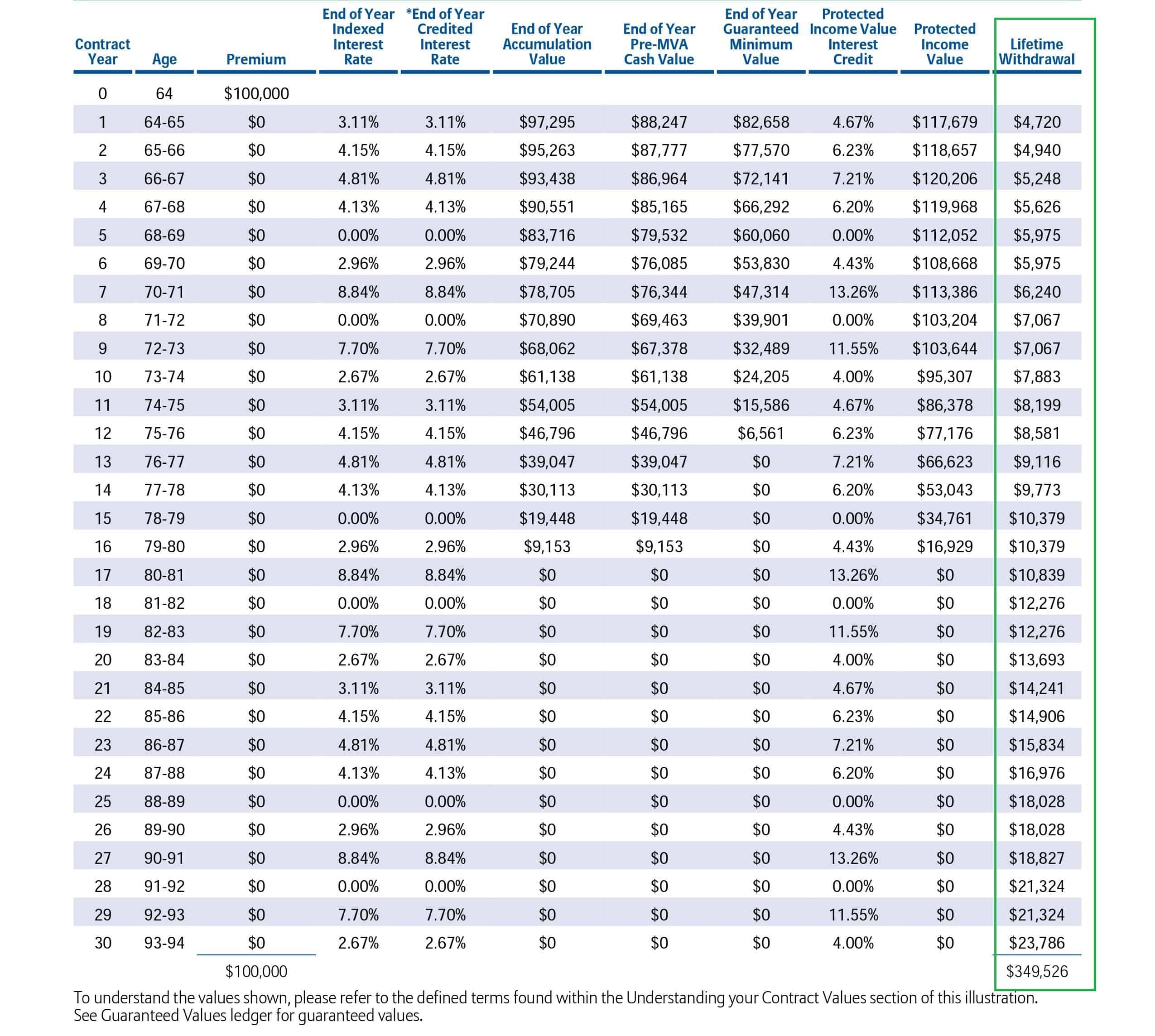
1. Fixed Index Annuities with a Guaranteed Lifetime Withdrawal Benefit (GLWB)
- These annuities provide guaranteed income for life, with potential growth tied to a market index. They protect against market downturns while offering a payout that can adjust for inflation. Any remaining balance passes down to heirs.
- Pros: Higher withdrawal rates (5-8%) than traditional strategies, market protection, and lifetime income.
- Cons: Limited liquidity and surrender charges.
- Who Needs It: Retirees seeking stable, inflation-resistant income.
- Who Doesn’t Need It: Those who prefer full liquidity or direct market exposure.
2. Investing in Equities and Dividend Stocks
- Stocks historically outpace inflation, and dividend-paying stocks provide passive income. Investing in a diversified portfolio can help maintain purchasing power.
- Pros: Growth potential, passive income.
- Cons: Market volatility, risk of loss.
- Who Needs It: Investors with a long-term horizon and moderate risk tolerance.
- Who Doesn’t Need It: Retirees relying solely on stock-based income.
3. Treasury Inflation-Protected Securities (TIPS)
- TIPS are government-backed bonds that adjust with inflation, ensuring your investment keeps up with rising costs.
- Pros: Guaranteed inflation adjustments, low risk.
- Cons: Lower returns compared to equities, taxable interest income.
- Who Needs It: Conservative investors looking for a low-risk hedge.
- Who Doesn’t Need It: Those needing higher growth to outpace inflation.
4. Real Estate Investments
- Rental properties and REITs provide passive income and tend to appreciate with inflation.
- Pros: Inflation-resistant, long-term growth potential.
- Cons: Market fluctuations, maintenance costs.
- Who Needs It: Investors comfortable with property management or REITs.
- Who Doesn’t Need It: Those who prefer liquid investments or don’t want property responsibilities.
5. Roth IRA and Roth 401(k) Conversions
- By converting traditional retirement accounts to Roth, you get tax-free withdrawals, protecting your income from future tax increases.
- Pros: Tax-free growth, no required minimum distributions (RMDs).
- Cons: Upfront tax cost.
- Who Needs It: Retirees in lower tax brackets before Social Security and RMDs.
- Who Doesn’t Need It: Those expecting lower tax rates in retirement.
6. Adjusting Withdrawal Strategies
- Using a dynamic withdrawal method allows you to adjust withdrawals based on inflation and portfolio performance, preventing premature depletion of funds.
- Pros: Helps sustain income throughout retirement.
- Cons: Requires ongoing management.
- Who Needs It: Retirees wanting flexibility in withdrawals.
- Who Doesn’t Need It: Those who prefer a predictable, fixed income.
7. Social Security Inflation Adjustments
- Social Security provides cost-of-living adjustments (COLA), but it often lags behind actual inflation. Maximizing benefits can help offset inflation’s impact.
- Pros: Guaranteed inflation-adjusted income.
- Cons: Adjustments may not fully match rising costs.
- Who Needs It: All retirees eligible for Social Security.
- Who Doesn’t Need It: High-income retirees who don’t rely on Social Security.
8. Gold and Commodities
- Precious metals and commodities serve as a hedge against inflation and economic downturns.
- Pros: Protection against currency devaluation.
- Cons: No dividends, price volatility.
- Who Needs It: Investors seeking diversification.
- Who Doesn’t Need It: Those needing steady income streams.
9. Long-Term Care Insurance
- Healthcare costs rise faster than inflation, and long-term care expenses can quickly drain savings.
- Pros: Protects savings from high medical costs.
- Cons: Premiums can be expensive.
- Who Needs It: Those without sufficient assets for long-term care.
- Who Doesn’t Need It: Those with significant assets or Medicaid eligibility.
10. Part-Time Work or Side Income
- Earning additional income helps delay withdrawals, reducing the impact of inflation on your savings.
- Pros: Extends savings, provides social engagement.
- Cons: Health limitations may prevent working.
- Who Needs It: Retirees who enjoy working.
- Who Doesn’t Need It: Those who are unable or unwilling to work.
Using an Inflation Calculator for Retirement Planning
Inflation can erode the value of your retirement savings over time, making it essential to understand its impact on your purchasing power. Use The Annuity Expert’s Inflation Calculator to estimate how your savings will fare against rising costs. This tool helps you:
- Project Future Costs: Understand how inflation affects expenses like housing, healthcare, and daily living.
- Adjust Savings Goals: Ensure your retirement nest egg keeps pace with inflation.
- Plan Confidently: Make informed decisions about investments and income strategies.
Try our Inflation Calculator now and take the first step toward safeguarding your financial future!
How to Account for Inflation in Retirement Planning
Inflation is one of the most critical challenges in retirement planning. It uniquely impacts long-term financial stability because it reduces purchasing power over time, especially for retirees on a fixed income. Understanding inflation’s role, who needs to account for it, and the tools to combat it ensures a secure financial future.
While protecting retirement savings from inflation, annuity options for a retirement plan can be narrowed by the job the money must do in retirement—income, protection, growth, liquidity, or legacy—rather than by product name alone.
Why Inflation in Retirement Planning Is Unique
- Longevity: As people live longer, they experience compounding inflation effects, amplifying the need for robust planning.
- Cumulative Impact: Over 20–30 years of retirement, even low inflation rates significantly increase living costs.
- Higher Healthcare Inflation: Healthcare expenses often rise faster than the general inflation rate.
- Fixed Income Risks: Pensions and non-inflation-adjusted annuities lose real value, making inflation a silent threat.
Who Needs to Account for Inflation in Retirement?
- Retirees on Fixed Incomes: Individuals relying on pensions or fixed annuities risk eroding purchasing power.
- Younger Retirees: Those retiring in their 50s or early 60s face more years of compounding inflation.
- Healthcare-Dependent Individuals: Retirees with high medical expenses must plan for healthcare inflation specifically.
Who Doesn’t Need to Worry About Inflation?
- High-Net-Worth Retirees: With diversified and inflation-proof assets, they can absorb rising costs more easily.
- Short-Term Retirees: Those nearing the end of retirement may see minimal impact due to limited exposure to long-term inflation.
However, even these groups should consider inflation-adjusted tools for added financial security.

The Best Tool to Combat Inflation in Retirement
Inflation-adjusted annuities are the most effective tool to maintain or surpass inflation rates during retirement. Here’s why they stand out:
What Are Inflation-Adjusted Annuities?
These annuities provide income that increases annually based on inflation rates or predetermined adjustments, ensuring your purchasing power stays intact.
How Do They Work?
- Cost-of-Living Adjustments (COLAs): Income rises based on inflation metrics.
- Guaranteed Lifetime Income: Provides a steady income stream no matter how long you live.
- Surpassing Inflation: If tied to market indexes, they may outperform the national inflation rate.
Why Choose Inflation-Adjusted Annuities?
- Predictable Growth: Offers peace of mind with guaranteed increases.
- Longevity Protection: Supports retirees through decades of fluctuating costs.
- Healthcare Cost Support: Adjusts for inflation’s impact on medical expenses.
Who Benefits the Most?
- Those prioritizing predictable, inflation-proof income.
- Retirees with limited investments but long lifespans.
- Individuals rely heavily on fixed income sources.
How We Can Help
Inflation-proof your retirement with inflation-adjusted annuities. Contact The Annuity Expert for free quotes to secure your coverage. Our agents provide personalized comparisons and advice to help you maintain financial security throughout retirement. Call now for a no-obligation consultation!
Learn How To Protect Against Inflation
Get help from a licensed financial professional. Book a free consultation. This service is free of charge.
Questions From Our Readers
How do you account for inflation in retirement planning?
You can prepare for inflation by assuming that your expenses will rise over time and building this into your retirement projections. Many planners use a 2–3% annual inflation rate. Strategies include keeping part of your portfolio in equities for growth, choosing fixed indexed annuities that credit interest based on the market, or adding a guaranteed lifetime withdrawal benefit (GLWB) rider with inflation adjustments. Social Security also helps since it includes cost-of-living adjustments (COLAs). Ignoring inflation risks underestimates how much income you’ll need later in retirement.