

How Builder’s Risk Insurance Protects Your Project From Day One
Builder’s risk insurance (also called course of construction insurance) protects buildings, materials, and equipment while a project is being built or significantly renovated. If fire, theft, wind, vandalism, or similar covered losses hit mid-project, this coverage helps pay to repair or replace what’s damaged so you’re not restarting with your own cash.
At The Annuity Expert, we’re an independent insurance agency that helps owners, builders, and investors compare multiple carriers, structure coverage correctly, and avoid expensive gaps that most people don’t see until it’s too late.
What Builder’s Risk Insurance Covers
Think of it as temporary property insurance for a project, not people.
Typically eligible (customizable by policy and endorsements):
- The structure under construction: New builds, additions, and major renovations.
- Materials & supplies: On-site, in transit, or stored off-site if listed.
- Installed fixtures & equipment: HVAC, electrical, plumbing, built-ins.
- Temporary structures: Scaffolding, forms, fencing, job trailers (if scheduled).
- Soft costs (optional): Extra interest, architect/engineering fees, lease-up or lost rent, advertising, and similar expenses caused by a covered delay.
- Debris removal & ordinance/law upgrades: When tied to a covered loss.
Coverage usually ends at completion, occupancy, sale, or policy expiration—whichever comes first.
What Builder’s Risk Insurance Does Not Cover
Common exclusions (often fixable with the right endorsements):
- Faulty design, workmanship, or materials (though resulting damage may sometimes be covered)
- Wear and tear
- Employee theft
- Tools and contractor equipment
- Liability for injuries or damage to others
- Flood, earthquake, or windstorm in certain areas, unless added
- Existing buildings, if not specifically included
This is why relying only on the owner’s property policy can leave dangerous gaps.
Who Should Consider Builder’s Risk Insurance
Anyone with money on the line in a construction project should at least compare options:
- Property owners and developers
- House flippers and small investors
- General contractors and builders
- Commercial tenants doing major build-outs
- Lenders requiring proof of project coverage
Contracts often dictate who must carry it, but everyone with an insurable interest should be correctly named.
Core Solution: Standalone Builder’s Risk Policy
Why use it: Purpose-built protection for the project itself during construction.
Pros
- Designed specifically for construction and renovation risks
- Can include materials in transit, off-site storage, and temporary structures
- Short-term: you pay for the build period, not long-term property coverage
- Often meets lender and contract requirements cleanly
Cons
- Policy wording varies by carrier; easy to overlook gaps
- Tools, liability, and professional exposures are usually excluded and need separate solutions
- May require separate endorsements for catastrophe perils
Who benefits
- Owners with ground-up builds or major structural renovations
- Investors with higher-value or financed projects
- Contractors who want clearly defined protection for each job
Who might not
- Very small cosmetic projects where a strong property endorsement truly handles the exposure
- Projects where an existing carrier can extend coverage robustly at a lower cost
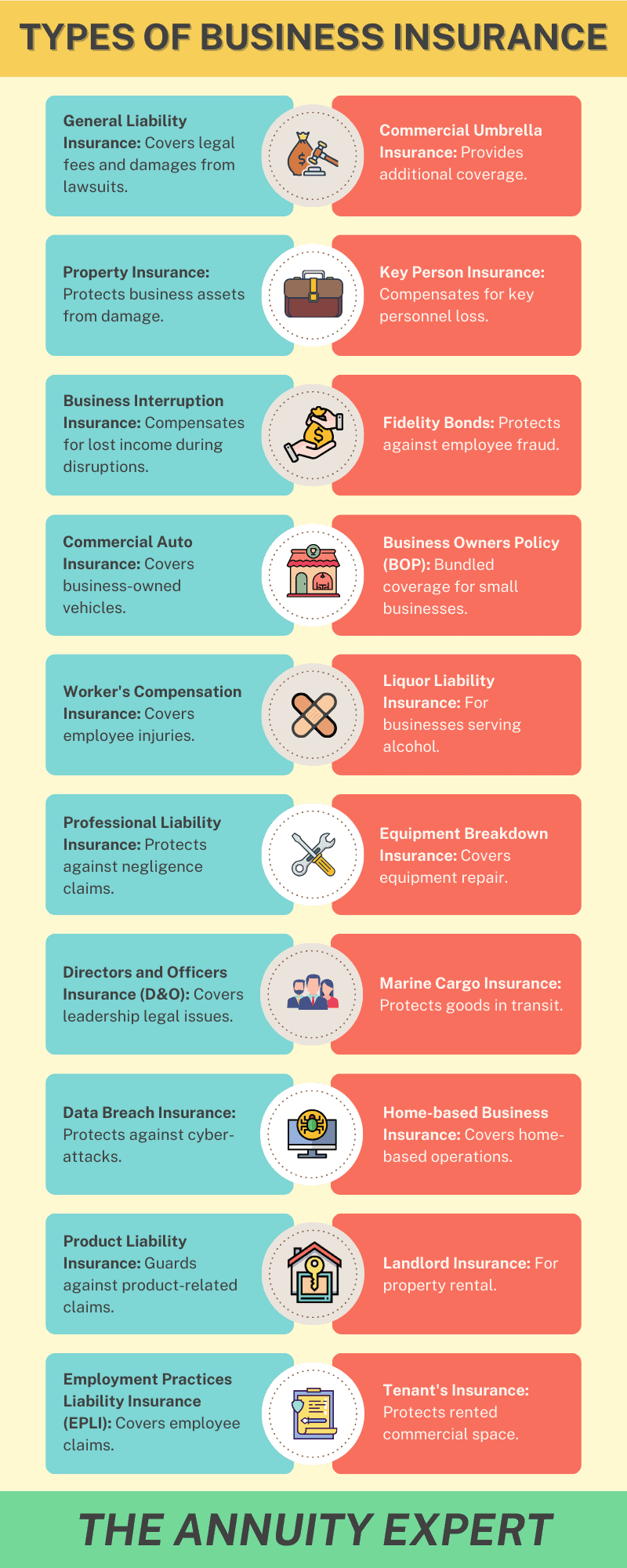
Essential Add-On Coverages To Protect The Entire Project
These work alongside builder’s risk to close real-world gaps.
General Liability Insurance
Covers bodily injury and property damage to others caused by your operations.
- Pros: Protects against slip-and-fall claims, damage to neighboring property, and many third-party claims.
- Cons: Does not rebuild your project.
- Who benefits: Any contractor or owner acting as GC.
- Who might not: No realistic scenario for an active jobsite.
Contractor’s Equipment / Inland Marine
Protects tools, equipment, and certain mobile property.
- Pros: Covers theft or damage to items that builder’s risk typically excludes.
- Cons: Requires accurate scheduling/limits; added cost.
- Who benefits: Contractors and trades with meaningful equipment.
- Who might not: Owners without tool or equipment exposure.
Commercial Property Or Homeowners (Post-Completion)
Takes over once construction is complete.
- Pros: Long-term protection for the finished structure.
- Cons: Cannot retroactively fix missed builder’s risk coverage.
- Who benefits: Every property owner post-completion.
- Who might not: Not optional; completion always needs a permanent solution.
Umbrella / Excess Liability
Extends limits above general liability, auto, and other primary policies.
- Pros: Extra cushion for severe claims or contractual requirements.
- Cons: Requires extra premium and coordination.
- Who benefits: Larger projects, public-facing builds, lender- or contract-driven limit requirements.
- Who might not: Very small, low-risk projects.
Professional Liability (For Design-Build / Construction Pros)
Protects against certain design and professional errors.
- Pros: Addresses exposures that GL and builder’s risk leave out.
- Cons: More underwriting, not needed for every job.
- Who benefits: Design-build firms, engineers, and architects.
- Who might not: Simple builds with no design responsibility.
How To Buy Builder’s Risk Insurance The Smart Way
- Define your project clearly: Scope, budget, type, timeline, and location.
- Clarify who is insured: Owner, GC, lenders, others with a financial interest.
- Set the right limit: Use the total completed value (materials, labor, profit).
- Select key endorsements: Transit, off-site storage, ordinance/law, soft costs, and catastrophe perils where needed.
- Coordinate with permanent coverage: Ensure a smooth transition from builder’s risk to homeowners or commercial property at completion.
Cost, Money-Saving Strategies & Loopholes
Builder’s risk insurance often runs roughly 1%–4% of the total construction cost, depending on location, project type, and coverage selections.
Practical ways to save:
- Choose a sensible deductible: Higher deductibles can reduce premiums without gutting protection.
- Use an accurate project term: Don’t overestimate so much that you overpay, or underestimate so much that you’re constantly extending.
- Bundle intelligently: Placing builder’s risk, liability, and umbrella coverage with coordinated carriers can reduce costs and conflicts.
- Avoid paying for irrelevant add-ons: Match endorsements to your actual exposures.
- Improve site security: Fencing, lighting, and locked storage reduce theft risk and claims.
Who benefits
- Owners and developers working within tight margins
- Builders bidding competitively who can’t afford uninsured setbacks
- Investors with multiple projects who need predictable risk management
Who might not
- Very small, low-cost updates that are clearly and properly covered by an endorsement on an existing policy
When Builder’s Risk Insurance May Not Be The Best Fit
It may not be ideal if:
- You’re only doing light cosmetic upgrades, and your property carrier confirms solid renovation coverage.
- Project values are so low that the exposure is insignificant relative to the premium.
- You’re expecting it to act as “all-in-one” coverage (it won’t—liability, tools, and professional risks require separate solutions).
In those cases, comparing:
- A standalone builder’s risk policy, and
- A properly structured endorsement on existing coverage
will quickly show which approach is more efficient.
Get Builder’s Risk Insurance Quotes & Buy Coverage Confidently
If your project is underway or about to start, this is the time to lock in coverage. One uncovered fire, theft, or storm can wipe out profits, delay completion, or cause loan problems.
We can help you:
- Review your project scope and contracts
- Identify gaps between builder’s risk, liability, and property policies
- Shop multiple carriers for competitive quotes
- Structure coverage so that each party and each risk is properly addressed
Next Business Insurance is our top recommendation for business coverage. They offer flexible, affordable policies tailored to small businesses that cover general liability, property damage, and more. Their streamlined online process makes it easy to get insured quickly, with clear pricing and top-rated customer support. Whether you’re a contractor, retailer, or consultant, Next provides the protection you need with policies designed for your industry.

For a free quote or to compare options, contact The Annuity Expert today. Book a call with our agents for a no-obligation discussion on coverage for your construction project.
Book A Free Consultation
Get help from a licensed financial professional. This service is free of charge.
Let Us Answer Your Questions
Not quite ready for a meeting, but you have a question that needs answering? We’re happy to help. Leave an inquiry below, and one of our staff will respond via email.
Questions From Our Readers
What is an example of a builder’s risk insurance claim?
A builder’s risk insurance claim could arise when a severe weather event, such as a hurricane, damages a building under construction. The contractor could file a claim to receive compensation for damages incurred, including the loss of building materials and any necessary repairs to maintain the structural integrity of the ongoing project. The coverage would depend on the terms outlined in the builder’s risk insurance policy. This claim helps ensure the continuity of construction without incurring a financial loss due to unforeseen events.
What is builders’ all risk insurance?
Builders’ all-risk insurance is a specialized insurance policy designed to protect construction projects from risks and unforeseen incidents such as fire, theft, vandalism, or natural disasters. This comprehensive coverage safeguards the structure and materials, fixtures, and equipment used during the construction process. The contractor generally purchases the policy or the project owner to ensure financial security and timely completion, even when adverse situations occur. It is a cornerstone in risk management strategies for construction endeavors.
What does builder risk insurance cost?
Builder risk insurance costs vary depending on the project’s size, location, and coverage amount. On average, they range from 1% to 5% of the total construction budget. Factors like the type of construction, materials used, and policy duration can also influence the premium. Obtaining quotes from multiple insurers is advisable to find the best deal.