

How To Protect Your Relationship, Income, and Future Together
When two people build a life together, they combine finances, responsibilities, and risks. The right mix of insurance policies can protect your income, assets, and family goals from life’s unexpected turns. Below are the essential policies every couple should consider—how each works, why they matter, and who needs them.
1. Life Insurance
- How It Works: Life insurance provides a tax-free death benefit to your spouse or dependents if you pass away. Term life insurance is affordable for income replacement; permanent policies (whole or universal life) build cash value for long-term goals.
- Why It’s Unique: Only life insurance instantly creates wealth and financial security for your loved one.
- Pros: Income protection, debt coverage, estate liquidity, affordable term options.
- Cons: Premiums increase with age; permanent policies can be complex.
- Who Needs It: Couples with shared debts, dependents, or one primary income earner.
- Who Doesn’t: Retired couples with no debts or dependents.
- Related Coverage: Consider joint life insurance or return-of-premium term life for extra protection.
2. Health Insurance
- How It Works: Health insurance covers medical costs for illness, injury, and preventive care. Couples can share employer-sponsored coverage or buy a private or ACA plan.
- Why It’s Unique: A single hospital stay can cost tens of thousands without coverage.
- Pros: Protects against medical debt; preventive care included.
- Cons: High deductibles; limited provider networks.
- Who Needs It: All couples, regardless of age or income.
- Who Doesn’t: No one—this is mandatory for financial protection.
- Related Coverage: Add Medigap or Medicare Advantage for older couples.
3. Disability Insurance
- How It Works: Disability insurance replaces income if illness or injury prevents you from working. Policies can be short-term or long-term.
- Why It’s Unique: Couples rely on each other’s earnings, making income protection vital.
- Pros: Protects lifestyle and mortgage payments; premiums are generally affordable.
- Cons: May require medical underwriting; employer coverage often insufficient.
- Who Needs It: Dual-income couples, self-employed partners, or anyone relying on one earner.
- Who Doesn’t: Couples with enough passive income or savings to live indefinitely without work.
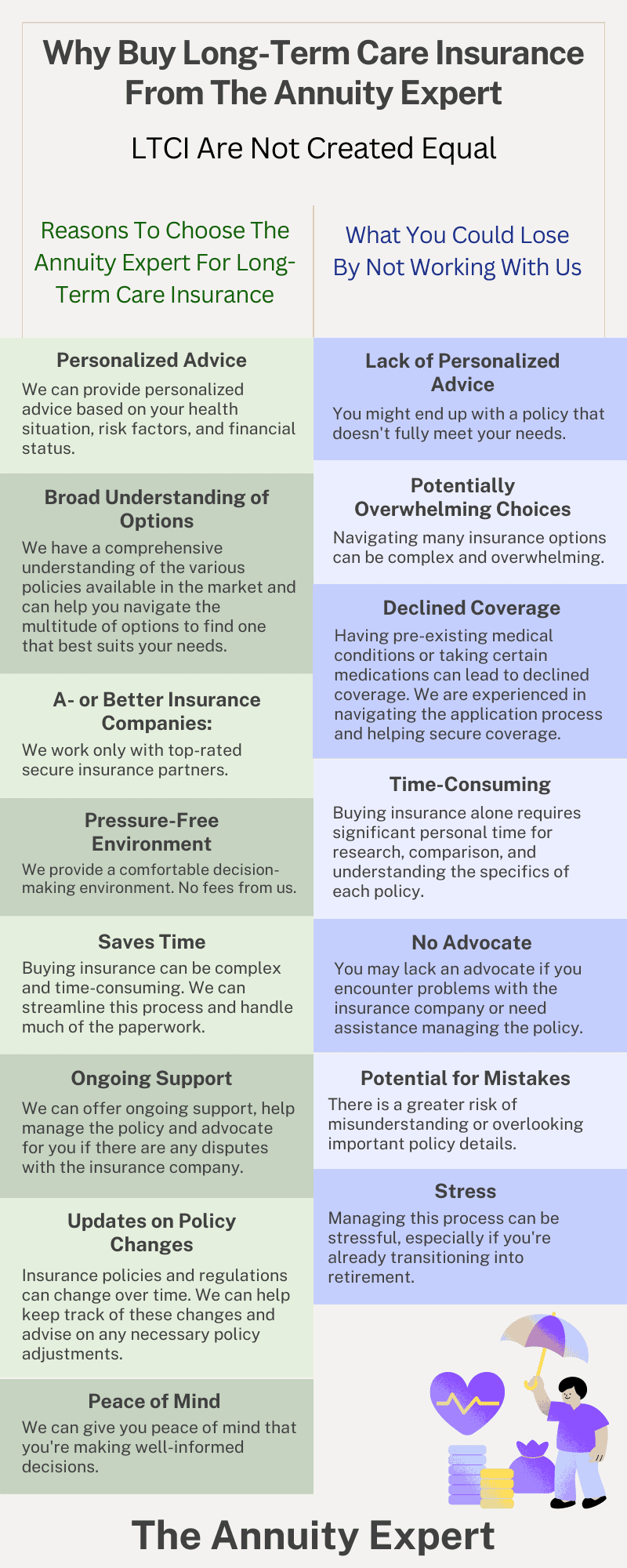
4. Long-Term Care Insurance
- How It Works: Covers care in nursing homes, assisted living, or home health services.
- Why It’s Unique: Prevents one spouse from draining joint savings to care for the other.
- Pros: Preserves retirement assets; provides care flexibility.
- Cons: High cost if purchased later in life; underwriting restrictions.
- Who Needs It: Couples age 50+ or those with family histories of chronic illness.
- Who Doesn’t: Couples with sufficient assets or those who plan to self-insure.
- Related Coverage: Hybrid life insurance with LTC riders offers lifetime coverage and care benefits.
5. Homeowners or Renters Insurance
- How It Works: Protects your home and belongings from fire, theft, or natural disasters. Liability coverage also protects against accidents on your property.
- Why It’s Unique: It safeguards the couple’s largest shared asset—their home.
- Pros: Covers repair, replacement, and liability costs.
- Cons: Deductibles and exclusions vary widely.
- Who Needs It: All homeowners and renters.
- Who Doesn’t: Couples living rent-free or with minimal personal property.
6. Auto Insurance
- How It Works: Covers liability, collision, and comprehensive damage related to your vehicle.
- Why It’s Unique: Required by law and essential for liability protection.
- Pros: Covers repairs, theft, and injuries; multi-policy discounts.
- Cons: Rates increase after claims; premium variations by state.
- Who Needs It: Any couple sharing or financing a vehicle.
- Who Doesn’t: Couples who don’t drive.
7. Umbrella Insurance
- How It Works: Provides extra liability protection beyond auto and homeowners policies.
- Why It’s Unique: Shields assets from lawsuits and large liability claims.
- Pros: High coverage at low cost; protects future income.
- Cons: Doesn’t cover personal losses (only liability).
- Who Needs It: High-income earners, homeowners, or those with significant savings.
- Who Doesn’t: Couples with limited assets or no exposure to liability risks.
8. Annuities
- How It Works: Annuities turn savings into a guaranteed income stream for life, helping couples avoid running out of money in retirement.
- Why It’s Unique: A Guaranteed Lifetime Withdrawal Benefit (GLWB) can pay between 5%–8% annually, ensuring steady income even if the account runs out.
- Pros: Lifetime income, principal protection, optional inflation riders.
- Cons: Surrender charges, limited liquidity.
- Who Needs It: Retired or near-retirement couples seeking stable, predictable income.
- Who Doesn’t: Younger couples focused on growth over income.
- Funding Options: Can be funded with 401(k), IRA, Roth IRA, or savings.
9. Travel Insurance (For Retired or Frequent Travelers)
- How It Works: Covers trip cancellation, medical emergencies abroad, and evacuation.
- Why It’s Unique: Medicare doesn’t cover medical care outside the U.S.
- Pros: Reimburses unexpected travel losses; protects health abroad.
- Cons: Limited pre-existing condition coverage.
- Who Needs It: Retired couples, frequent travelers, or destination wedding planners.
- Who Doesn’t: Couples who never travel internationally.
Protect Your Relationship and Finances Today
Every couple’s insurance needs depend on income, assets, and goals. Whether you’re newly married or planning retirement, The Annuity Expert can help you compare life, health, disability, and annuity coverage from top-rated carriers to build a complete protection plan that fits your budget.
Contact The Annuity Expert today for free quotes and expert help buying coverage.
Book A Free Consultation
Get help from a licensed financial professional. This service is free of charge.
Let Us Answer Your Questions
Not quite ready for a meeting, but you have a question that needs answering? We’re happy to help. Leave an inquiry below, and one of our staff will respond via email.