

Compare Your Custodial Care Options Today
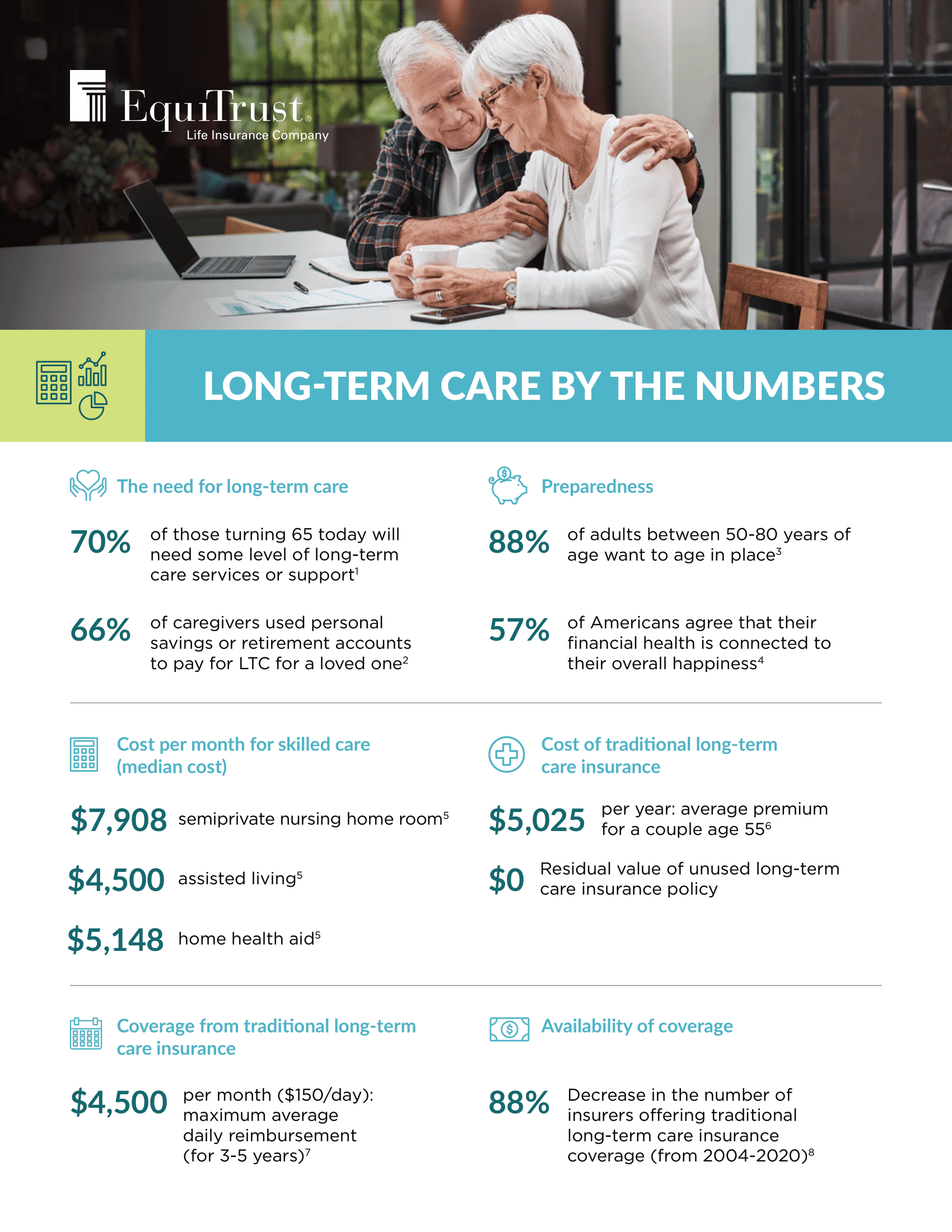
Custodial care is the most common type of long-term care you will actually need as you age, yet it is the exact type of care Medicare completely refuses to pay for. Whether it is help with bathing, dressing, or simply moving around the house safely, paying a professional home health aide for daily assistance can easily cost $5,000 to $8,000 a month.
If you do not have a plan in place, this massive out-of-pocket expense will rapidly drain your retirement portfolio or force your adult children to become your unpaid, full-time caregivers.
Comparing quotes for a comprehensive long-term care insurance policy allows you to buy dedicated custodial care protection. It guarantees you have the direct, tax-free cash required to hire professional, at-home help while keeping your hard-earned wealth firmly intact.
Need to protect your retirement assets immediately? Call us directly at (770) 755-1565 to speak with a licensed professional at The Annuity Expert, or let us help you compare custodial care quotes.
Compare Your Main Ways To Pay
- Long-term care insurance (stand-alone): Earmarked benefits for home aides, adult day care, assisted living, and nursing home.
- Hybrid life insurance with LTC rider: Life insurance you can accelerate for custodial care; unused benefits pass to heirs.
- Annuity with LTC/Income rider (GLWB): Creates guaranteed income to pay caregivers; some riders boost pay when you need help with ADLs.
- Medicaid (including HCBS waivers): Safety-net coverage for low assets/income after meeting eligibility rules.
- VA Aid & Attendance (veterans/spouses): Monthly tax-free stipend to offset custodial care.
- Private pay (cash/investments/HSAs): Flexible but can drain savings without a plan.
- Home equity (HECM/reverse mortgage or sale): Converts housing wealth to cash flow for care at home.
- Family caregiving contracts: Pay a relative formally and keep payments Medicaid-compliant.
- State programs: PACE & waiver services: Coordinated, community-based care with low or no copays.
- Short-term care insurance / critical illness: Smaller, easier-to-qualify policies that cover near-term gaps.
Tip: Most families blend one insurance solution (for leverage) + one public benefit (for cost control) + one cash-flow source (for flexibility).
Long-Term Care Insurance (Stand-Alone)
How it works: You pay premiums into a pool of funds for custodial care at home or in facilities. Triggers usually require help with 2+ ADLs or cognitive impairment.
Money-saving tips
- Choose home-care-first benefits with a 90–180 day elimination period to lower premiums.
- Pick shared care for couples to reduce the chance of one spouse running short.
- Consider 3–5 year benefit periods (most claims last 2–4 years) and add a 3% simple inflation if the budget is tight.
Pros
- Dedicated dollars for custodial care
- Protects retirement assets
- Underwriting discounts for healthy buyers
Cons
- Health underwriting required
- Premiums can be significant and may increase
- “Use-it-or-lose-it” if never claimed
Who benefits
- Ages 45–65, good health, want asset protection and choice of care setting
Who might not
- Already in poor health or with a limited budget for ongoing premiums
Next step: Compare long-term care insurance quotes with an independent health insurance agency.
Hybrid Life Insurance With LTC Rider
How it works: A life policy that lets you accelerate the death benefit (and sometimes an extension rider) to pay custodial care. If you never need care, heirs receive the benefit.
Money-saving tips
- Single-premium or 10-pay designs can avoid lifetime premiums.
- Right-size the face amount so accelerated benefits match realistic home-care costs.
Pros
- If you don’t need care, money passes to heirs
- Premiums are typically guaranteed
- Easier acceptance than stand-alone LTC in many cases
Cons
- Higher upfront funding than traditional LTC
- LTC acceleration is usually indemnity or reimbursement—know your trigger rules
Who benefits
- People with liquidity who want “care or legacy” efficiency
- Those who dislike “use-it-or-lose-it”
Who might not
- Tight budgets or those needing the largest pure LTC leverage for each dollar
Next step: Get life-with-LTC rider quotes to compare against stand-alone LTC.
Annuity With Income/LTC Rider
How it works: You fund an annuity and add an income rider that guarantees lifetime income; many riders boost payouts (often 50–100% for a limited period) when you can’t perform ADLs.
Money-saving tips
- Use fixed indexed annuities with simple, transparent crediting; avoid complex engineered indexes.
- Ladder funding to align income with expected care costs.
Pros
- Lifetime income—reduces the risk of outliving assets
- Potential ADL boost to offset higher home-care hours
- No medical underwriting for the base annuity
Cons
- Rider fees
- Boosts may be time-limited and policy-specific
Who benefits
- Pre-retirees/retirees seeking a predictable cash flow to pay caregivers at home
Who might not
- Those needing immediate, large reimbursement-style LTC coverage
Next step: Compare income rider annuities and determine how much care they can fund.
Medicaid & HCBS Waivers
How it works: After meeting state asset and income limits (with allowances for a spouse), Medicaid can fund nursing homes and, via Home- and Community-Based Services (HCBS) waivers, many kinds of in-home custodial care and adult day care.
Money-saving tips & “loopholes”
- Spousal impoverishment rules protect a healthy spouse’s income/assets.
- Medicaid-compliant annuities can convert countable assets into income under strict rules.
- Use caregiver agreements and spend-down on allowable items (home safety, medical needs) before applying.
- Consider a Miller/QIT trust in income-cap states.
Pros
- Can cover extensive custodial care
- Waivers support care at home
Cons
- Strict financial/clinical eligibility; look-back penalties
- Provider choice and availability can be limited
Who benefits
- Households nearing eligibility or with high ongoing care needs
Who might not
- Those with substantial assets who prefer broad private-market choice
Next step: Talk with us about Medicaid-compliant strategies and waiver availability in your state.
VA Aid & Attendance (Veterans/Surviving Spouses)
How it works: A tax-free monthly stipend if you need help with ADLs.
Money-saving tips
- Combine with home-care aide hours to stretch dollars.
- Verify service and financial eligibility early; paperwork takes time.
Pros
- Tax-free funds for custodial care
- Can complement other benefits
Cons
- Eligibility and documentation requirements
- Amounts may not cover all care
Who benefits
- Veterans/spouses with service history and modest assets/income
Who might not
- Those without qualifying service or whose needs exceed stipend levels
Private Pay: Cash, Investments, and HSAs
How it works: Use savings, dividends, and HSA balances to pay caregivers directly.
Money-saving tips
- Hire through agencies for backup coverage; mix in independent caregivers to lower hourly rates.
- Use HSAs for qualified long-term care services tax-free.
- Track medical expense deductions if costs exceed thresholds.
Pros
- Maximum flexibility and provider choice
- No underwriting or program rules
Cons
- Can deplete assets quickly without a plan
- No leverage like insurance provides
Who benefits
- Those with ample liquid assets who want full control
Who might not
- Households needing to protect principal or qualify for future Medicaid
Home Equity: Reverse Mortgage (HECM) or Sale
How it works: Convert equity to monthly cash or a line of credit to fund in-home aides.
Money-saving tips
- A HECM line of credit can grow over time—set it up before you need care.
- Consider selling and downsizing to free capital for hybrid/LTC insurance.
Pros
- Keeps care at home
- Large, flexible cash source
Cons
- Fees/interest reduce equity
- Requires upkeep, taxes, and insurance
Who benefits
- Home-rich, cash-light households determined to age in place
Who might not
- Those planning to move soon or with minimal equity
Family Caregiving Agreements
How it works: A written contract pays a relative for caregiving hours at fair-market rates. Helps track costs and remain Medicaid-compliant.
Money-saving tips
- Keep timesheets and proof of payment.
- Set rates to local norms to avoid transfer penalty issues.
Pros
- Keeps care in the family with accountability
- Supports future Medicaid applications
Cons
- Requires meticulous records
- Can strain family dynamics if expectations aren’t clear
Who benefits
- Families already providing informal care
Who might not
- Situations requiring clinical/skilled oversight
State Programs: PACE & Waiver Services
How it works: PACE coordinates medical and custodial support to keep seniors at home; state waivers fund in-home aides and community services.
Money-saving tips
- Join waitlists early—slots can be limited.
- Pair with VA or small insurance policies to fill gaps.
Pros
- Team-based, coordinated care
- Low out-of-pocket if eligible
Cons
- Geographic and eligibility limits
- Provider networks may be narrow
Who benefits
- Frail seniors wanting to remain at home with comprehensive support
Who might not
- Those outside service areas or seeking a premium provider choice
Short-Term Care Insurance / Critical Illness
How it works: Easier-to-qualify policies paying benefits for up to 12–24 months, or lump-sum payouts upon specified diagnoses to offset custodial care.
Money-saving tips
- Use as a bridge while waiting for Medicaid approval or to cover elimination periods on LTC policies.
Pros
- Lenient underwriting, fast issue
- Targets near-term needs
Cons
- Limited duration/benefits
- Not a full substitute for LTC coverage
Who benefits
- Those who can’t qualify for LTC or need immediate, short-term help
Who might not
- Families facing multi-year dementia care needs
Custodial Care Costs by Setting (2025 Estimates)
| Setting | Monthly Average | Annual Cost | What It Includes |
|---|---|---|---|
| Homemaker Services (Home) | $5,000–$6,000 | $60,000–$72,000 | Non-medical support for ADLs, no nursing care |
| Home Health Aide (non-clinical) | $5,500–$6,500 | $66,000–$78,000 | Includes basic health support (e.g., reminders, hygiene) |
| Assisted Living Facility | $4,800–$6,000 | $57,600–$72,000 | Meals, personal care, 24/7 staff, some medical oversight |
| Nursing Home (Semi-Private) | $8,500–$9,500 | $102,000–$114,000 | Full 24/7 custodial and medical care |
| Nursing Home (Private Room) | $10,000–$12,000 | $120,000–$144,000 | Enhanced privacy and amenities |
| Adult Day Health Care | $2,000–$2,500 | $24,000–$30,000 | Supervised daytime services in a community setting |
5 Real-World Profiles and What They Should Use
| Profile | Best Strategy |
|---|---|
| Married couple, age 50, healthy | Shared traditional LTC policy or hybrid life insurance with LTC rider |
| Single woman, age 60, concerned about Alzheimer’s | Hybrid annuity with LTC income rider + Roth IRA to self-fund |
| Veteran with low income | VA Aid & Attendance + Medicaid planning |
| High-net-worth family, age 65+ | FIA with LTC rider + 1035-funded hybrid policy for legacy + care flexibility |
| Adult child planning for parents | Medicaid asset preservation planning + term life or LTC for parent caregiving |

Other Insurance to Support Custodial Care Needs
| Insurance Type | Why It Helps |
|---|---|
| Disability Insurance | Replaces income if custodial care is needed before retirement age |
| Critical Illness Insurance | Pays a lump sum after events like a stroke or Alzheimer’s |
| Medigap Insurance | Fills Medicare gaps (though it doesn’t cover custodial care) |
| Term Life Insurance | Funds a caregiving trust or estate planning vehicle post-death |
Final Tips: How to Plan Without Wasting Money
- Don’t wait until symptoms appear. Most insurers won’t approve you once you need care.
- Start planning by age 50–60 to lock in the lowest premiums.
- Always get quotes for both spouses. Shared care benefits reduce the total cost.
- Don’t over-insure. Choose a benefit that covers the gap between income and cost—not the full cost.
- Work with an independent agent to compare policies from multiple carriers—not a captive agent.
Need Help Figuring Out What Fits Best?
Every situation is different. Our licensed agents at The Annuity Expert will walk you through quotes, compare your options, and recommend the most cost-effective solution—at no cost to you.
Book a Call for Free Quotes and Comparisons Now
Get peace of mind knowing your care plan won’t wipe out your savings or leave loved ones scrambling.
Book A Free Consultation
Get help from a licensed financial professional. This service is free of charge.
Let Us Answer Your Questions
Not quite ready for a meeting, but you have a question that needs answering? We’re happy to help. Leave an inquiry below, and one of our staff will respond via email.
Questions From Our Readers
What is custodial care?
Custodial care is hands-on assistance with activities of daily living such as bathing, dressing, and eating.
What is a custodian in a care home?
A custodian in a care home is a person who provides personal care, supervision, and assistance to residents.
Which type of coverage pays benefits for custodial care?
Long-term care insurance pays benefits for custodial care.
Which type of coverage would be most appropriate for an individual who needs custodial care at home?
Home health care insurance would be most appropriate for an individual who needs custodial care at home.
What is an example of non-medical care related to long-term care?
Examples of non-medical care related to long-term care include companionship, meal preparation, and help with daily activities.
What is the minimum benefit that a long-term care policy must offer?
The minimum benefit that a long-term care policy must offer is daily or monthly cash benefits for policyholders.
What is the difference between intermediate care and custodial care?
Intermediate care involves medical and nursing services, while custodial care is non-medical support such as feeding, dressing, or bathing assistance.
Does Medicare cover custodial care?
Medicare does not cover custodial care if that is the only care needed.
Does Medicare Part A cover custodial care?
No, Medicare Part A does not cover custodial care.
What are examples of custodial care?
Examples of custodial care include help with bathing, dressing, eating, using the bathroom, and moving around.
Which is a likely setting for a custodial care facility?
A likely setting for a custodial care facility is a nursing home or assisted living facility.
Can I get custodial care insurance for my brother?
Yes, you can purchase custodial care insurance for your brother. Custodial care insurance, often part of long-term care insurance, covers assistance with daily activities like bathing, dressing, and eating. When buying this insurance for a family member, you’ll need to be involved in the application process and may need your brother’s consent and medical information.